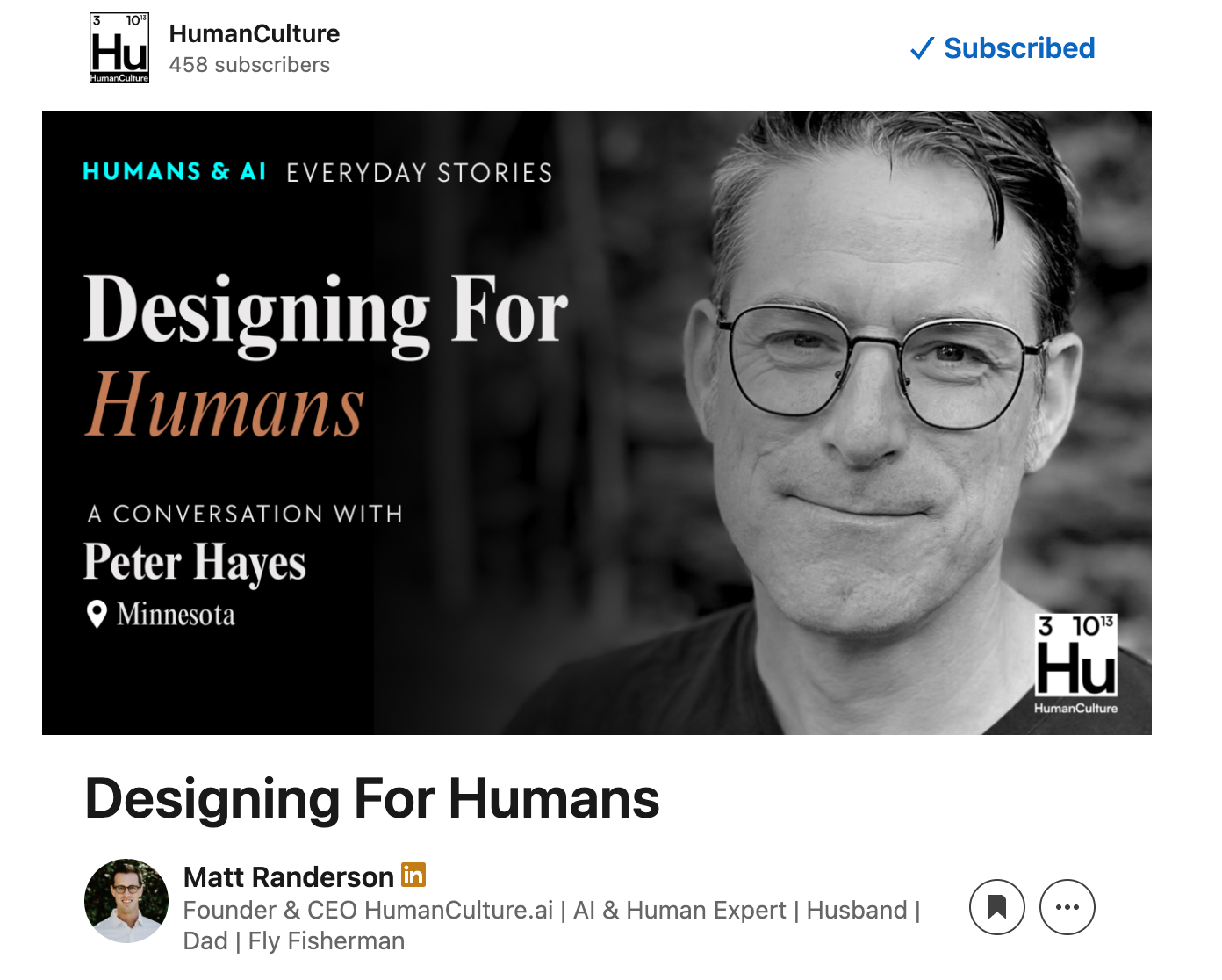
Design by Humans, For Humans
Our Human Centered Design Mission

The creative industry is moving faster than ever. With the rise of generative AI, instantaneous content and automated design are everywhere. But within all this speed, we have to ask: What happens to the soul of a brand identity if there is no human to drive the intention?
At Workroom Creative, we believe the answer is simple: if your clients are human, your design should be human, too.
Technology and AI are incredibly powerful tools, but they cannot feel empathy, understand cultural context, or grasp subtle emotional nuances. That’s why our mission is to create brand & marketing strategies that build genuine trust and serve clear human needs. Here is a look inside our Human-Centered Design philosophy.
The Five Principles of Human-Centered Tech
Our work marries an intentional approach with modern tools. To make sure we never lose the human element, we operate under five core technology principles:
1. Human First, Always Design succeeds only when it creates real value for the person receiving it. Every project begins with empathy. We strive for clear understanding different perspectives & cognitive needs, and the human desire for authentic connection.
2. Make Space & Time for Clarity In a fast-moving world, we choose a deliberate and intentional pace. Great work requires thoughtful observation. We take the time to listen, test ideas, and refine details so your final result is the best it can be.
3. Technology as an Instrument We use AI to handle technical details and accelerate production, but it is strictly an tool. The core vision, creative direction, and strategic judgment remain 100% human-driven.
4. Grounded in Real Life We measure success by how our work performs in the real world. Through hands-on drafting, real-world observation, and practical testing, we ensure our designs convey humanity.
5. Guided by Natural Systems Nature has 3.8 billion years of problem-solving experience. We look to physical reality, bio-inspired ideas, and sustainability strategies to guide our business design choices.
Drawing the Line: Human vs. Tech Roles
To successfully integrate modern technology without compromising our craft, we’ve established strict boundaries between what humans do and what tools do.
Where Humans Lead:
- Core Strategic Vision: Defining the project's purpose and the business story
- Empathy Mapping: Contextualizing cultural nuances and ensuring end-user dignity
- Directional Authority: Deciding which creative paths will resonate with real people
- Bias Checkpoints & Data Security: Ensuring tools don't inject bias, and protecting client data from AI training models
Where Technology Supports:
- Research & Pattern Recognition: Gathering and organizing human-originated information
- Syntactical Checking: Catching structural code errors or grammatical oversights, clarifying & improving communication
- Batch Processing & Automation: Speeding up technical, repetitive tasks to free up time for human creativity
- Zero Authority: AI is never permitted to originate the central creative idea or visual strategy
Please see this info page for more information. We always welcome questions and ideas!